The Smartest Spa Splurge in 2026 Might Be a Hotel Day Pass
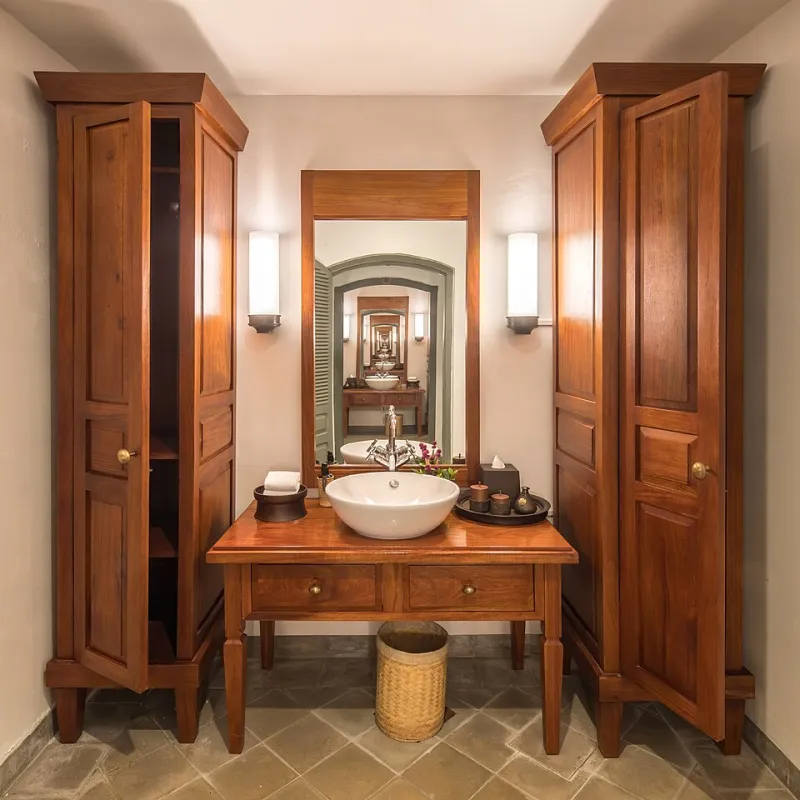
Photo: Basile Morin, CC BY-SA 4.0, via Wikimedia Commons
Hotel spa day passes used to feel like a secret handshake. In 2026, they are practically a menu item. Plenty of hotels and resorts now sell access to their spa facilities to people who are not spending the night, which means you can get the lazy pool afternoon, the steam room, and maybe a massage without paying for a room you will only use to sleep.
The catch is that day passes are not automatically a deal. Some are excellent. Some are a $95 ticket to a crowded hot tub and a parking bill. The difference usually comes down to asking the right questions before you book.
What a Hotel Spa Day Pass Actually Gets You
A typical pass includes locker room access, a robe and towel, and use of the steam room, sauna, and relaxation lounge. Pool access is often included, but not always. Some properties throw in a fitness center, a group class, or a small food-and-beverage credit. Others sell a facility-only pass and expect you to book treatments separately.
You will also see treatment-inclusive packages, which bundle a massage or facial with facility access. Those can be the better buy if you already planned to book a service. The facility-only pass is better if you mainly want a quiet afternoon by the water and a long shower with no one knocking on the bathroom door.
Ask specifically whether the pass includes the pool, whether the pool is shared with hotel guests, and whether there are adult-only hours. A pretty rooftop pool can turn into a family reunion by noon. That is fine if you want energy. It is less fine if you are chasing silence.
How Pricing Varies in Major US Cities
Day pass pricing is all over the map. In New York, weekday facility access at a nice hotel spa often lands around $75 to $150, with treatments extra. Miami and South Florida resort spas frequently run $50 to $125, but some attach a food-and-beverage minimum that changes the math. Los Angeles sits in a similar range, with luxury properties pushing higher on weekends.
Chicago and Austin tend to be gentler, often $50 to $100 for weekday access. Las Vegas can be surprisingly affordable on a weekday and surprisingly chaotic on a fight weekend. Resort markets are their own thing: a pass that looks reasonable online may come with a $35 parking charge and a $50 minimum at the pool bar.
Before you compare prices, add the extras: parking, food, drinks, rentals, and gratuity. A $60 pass with $30 parking and a $25 lunch is really a $115 afternoon. That can still be a good deal, but it is not the deal you thought you were getting.
Booking Without Staying Overnight
Call the spa directly, not the hotel front desk. Front desk staff are trained to answer room questions, not spa access questions. Ask whether they sell day passes to non-guests, whether you need to book a treatment to get one, and whether the pass has a time window. Some spas sell a half-day pass; some let you stay from morning to close.
Booking platforms can be useful for comparing options, but confirm the details with the spa itself. Get the confirmation in writing, including the cancellation policy. Ask if the pass is refundable, transferable, or subject to a resort fee. If you are booking a treatment plus facilities, ask whether the treatment counts toward a minimum spend.
Pool and Facility Questions Worth Asking
Is the pool heated? Is it indoors or outdoors? Are there lockers, or do you need to bring a lock? Are robes included, or only towels? Is the relaxation lounge co-ed? Is the steam room currently working? That last one sounds pessimistic, but maintenance closures happen.
Also ask about accessibility, parking validation, and whether outside food or water is allowed. If you have sensitive skin or a scent allergy, ask what products the spa uses in the locker room. And if you are going for quiet, ask about construction, fitness classes, and kids' hours. A spa day is mostly a mood. Protect the mood.
Gratuity, Fees, and the Fine Print
Most spa treatments carry an expected gratuity of 18 to 22 percent. Facility-only passes usually do not require a tip, but ask. Some spas add an automatic service charge to packages; others leave gratuity blank on the receipt. You do not want to tip twice by accident, and you do not want to stiff the therapist because the front desk was vague.
Check for admin fees, resort fees, and card surcharges. Ask whether the pass includes a credit for food or treatments, and whether that credit expires the same day. If you are using a third-party deal, read the blackout dates. Holiday weekends are usually blacked out for a reason.
The Best Times to Go
Weekday mornings are your friend. Tuesday through Thursday tends to be calmer than Saturday, and the first appointment of the day often gets you a quieter locker room and a better pick of loungers. Avoid checkout time on Sunday, when hotel guests are cycling through the spa before their flights.
In resort towns, check local events before you book. A conference week or a holiday weekend can make a small pool feel like a airport terminal. In winter, a city hotel spa with an indoor pool can be a great rainy-day reset. In summer, a resort pass is more about the outdoor scene, so go early or late.
When a Day Pass Is Worth It
A day pass makes sense if you will use the facilities for at least three hours, you are not paying a fortune for parking, and you are not surprised by a food minimum. It is especially good if you want a treatment but do not need the whole resort experience. It is less good if you only want a massage. In that case, a local day spa is usually cheaper and easier.
At María Spa, our rule is simple: price the whole afternoon, not just the pass. Add parking, lunch, tip, and any minimum spend. If the total still feels like a treat rather than a trap, book it. A hotel day pass can be one of the best wellness deals in America right now. It just works better when you know exactly what you are buying.